Wholesale Sarees in India: A Complete Buying Guide for Retailers & Boutiques
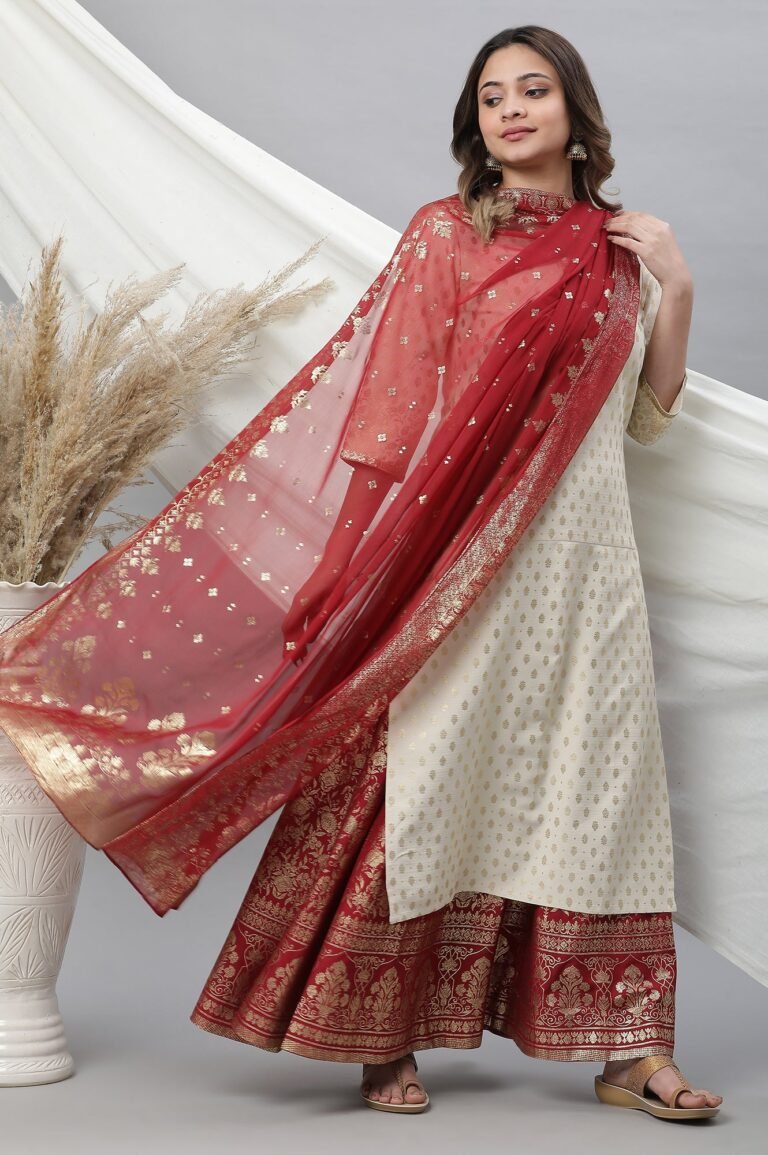
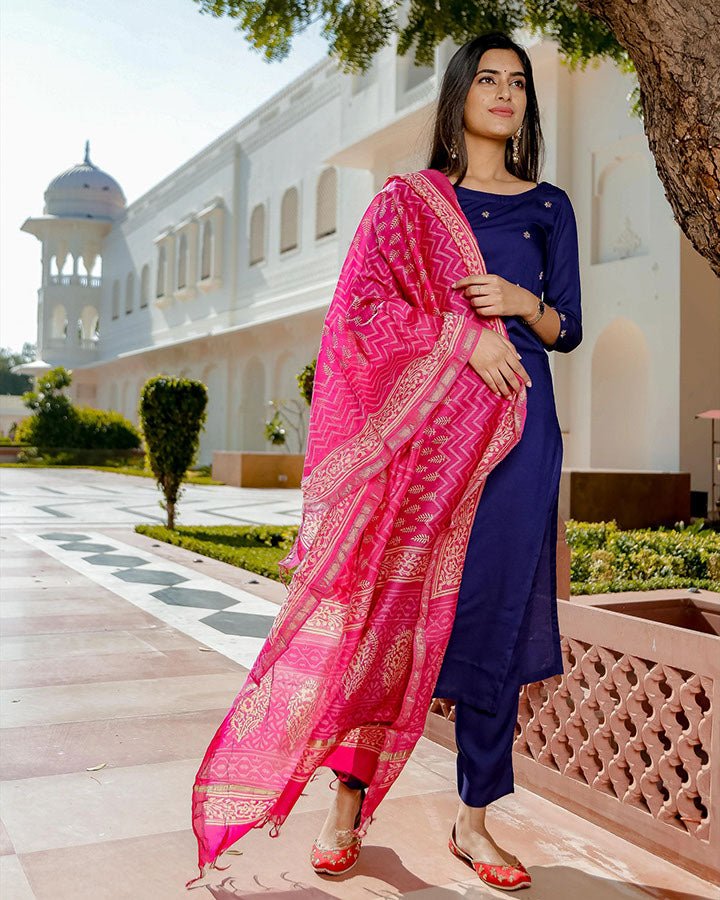
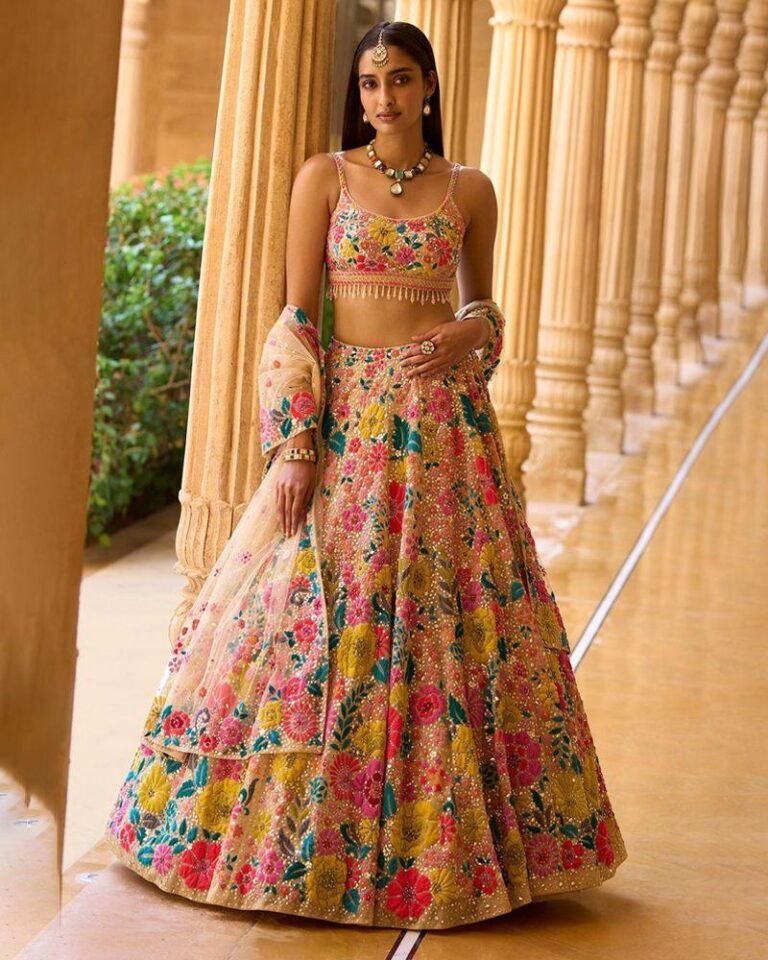
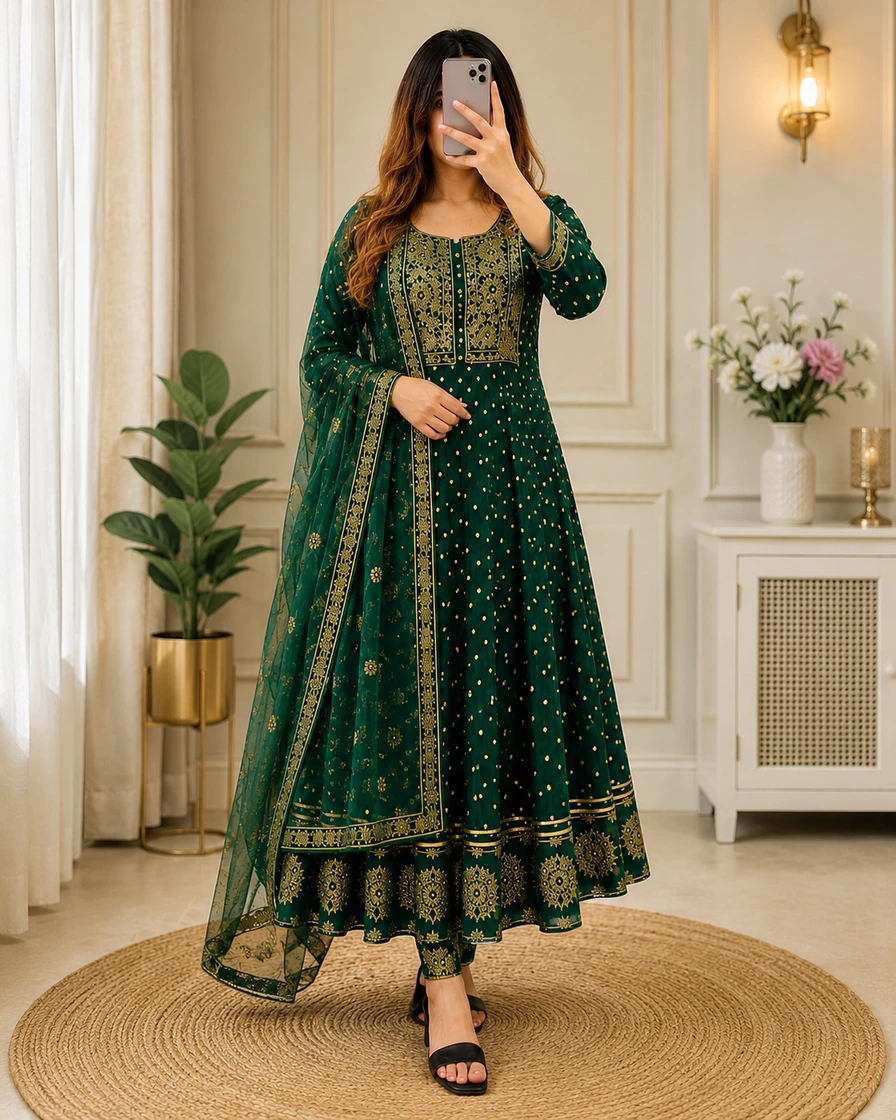
The saree continues to be one of the most popular ethnic wear categories in India. From daily-wear cotton sarees to premium silk and designer collections, retailers can serve a wide variety of customers by maintaining the right saree collection.
However, successful wholesale saree buying is not just about choosing attractive designs. Retailers and boutique owners need to consider quality, pricing, fabric, customer demand, minimum order quantity and supplier reliability.
In this guide, we explain some of the most important things to consider before purchasing sarees in bulk.
Understand Your Target Customers
Before purchasing a wholesale saree collection, identify the type of customers you serve.
A store catering to everyday buyers may require affordable cotton, printed and lightweight sarees, while a premium boutique may focus more on embroidered, festive and designer sarees.
Some popular categories include:
- Cotton sarees
- Silk sarees
- Printed sarees
- Embroidered sarees
- Party wear sarees
- Wedding sarees
- Designer sarees
- Festive collections
Maintaining a combination of different styles can help retailers serve customers across multiple price ranges.
Check Fabric Quality
Fabric quality has a major impact on customer satisfaction.
Before purchasing in bulk, check the material for softness, durability, finishing and colour quality.
For printed sarees, inspect the consistency of the print. For embroidered products, check stitching quality and finishing around borders and decorative work.
A quality product can help generate repeat customers for your retail business.
Choose Designs According to Market Demand
Fashion trends change frequently. Retailers should regularly update their collection instead of maintaining the same designs for long periods.
Popular colours, prints and patterns can vary depending on:
- Wedding season
- Festivals
- Regional preferences
- Summer and winter seasons
- Current fashion trends
A good wholesale supplier should offer regular new arrivals so retailers can keep their inventory fresh.
Compare Wholesale Pricing
Wholesale pricing directly affects your retail profit margin.
However, choosing the cheapest product is not always the best strategy. Very low-cost products may sometimes compromise on fabric, stitching or finishing.
Instead, compare the overall value of the product by considering:
- Fabric quality
- Design
- Finishing
- Packaging
- MOQ
- Delivery support
- Wholesale price
The goal should be to find products that provide a balance between quality and profitable resale pricing.
Understand MOQ Before Ordering
MOQ means Minimum Order Quantity.
Different wholesale products may have different MOQ requirements. Some designs may be available in sets, while others may allow smaller quantities.
Retailers should always confirm:
- MOQ per design
- Number of colours in a set
- Number of pieces per pack
- Available sizes, where applicable
- Bulk-order conditions
This helps you plan your investment and inventory more effectively.
Work With a Reliable Wholesale Supplier
A reliable supplier can make inventory management much easier.
Before choosing a supplier, consider whether they provide:
- Consistent product quality
- New designs
- Transparent pricing
- Safe packaging
- Timely dispatch
- Pan India delivery
- Customer support
Building a long-term relationship with a dependable wholesale supplier can help retailers reduce sourcing problems.
Final Thoughts
Wholesale saree buying requires the right balance of design, quality, price and customer demand.
Instead of purchasing products only based on appearance, retailers should evaluate the complete value of the collection.
Ajitzone offers wholesale fashion collections for retailers, boutiques and wholesale buyers looking for different designs and ethnic wear categories.
The Ajit Zone Takeaway
Quality products, thoughtful presentation and reliable service help retailers build stronger customer trust and long-term business growth.